
PPC for Remodeling Contractors: How to Stop Paying for DIY and Tire-Kicker Clicks
Published · Updated
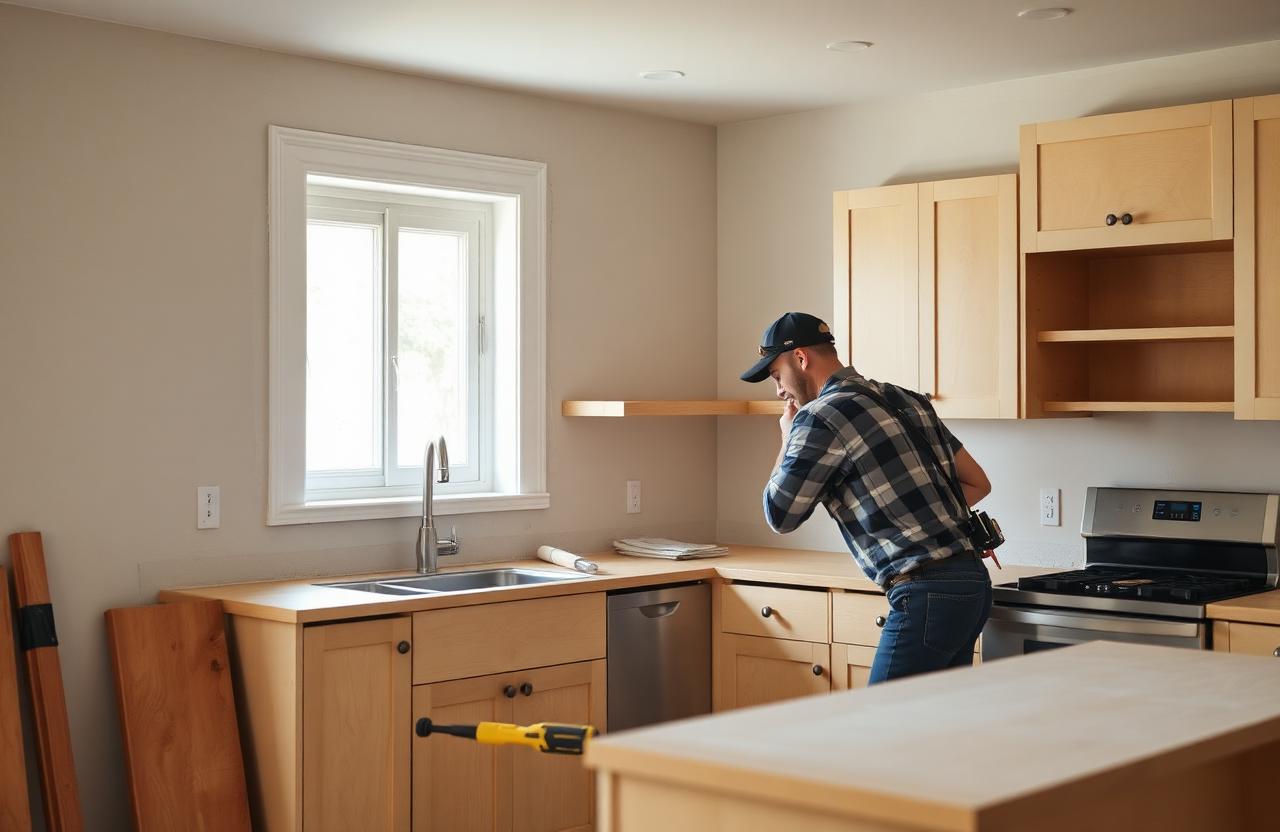
Remodeling is one of the hardest trades to advertise profitably. Projects are large and valuable, but the searches that lead to them are mixed with people collecting ideas, planning a DIY weekend or pricing out a project they won't start for a year. A remodeling campaign that doesn't separate those audiences pays for all of them.
Split campaigns by project type
"Remodeling contractor" is too broad to manage well. Kitchen remodels, bathroom remodels, basement finishing, additions and whole-home renovations have different budgets, timelines and buyers. Give each project type you want more of its own campaign, ads and landing page. That way you can:
- Put more budget behind the projects with the best margins
- See the real cost per lead for each project type
- Pause a project type when your schedule is full without stopping everything
Block the searches that won't hire you
Remodeling search terms attract a lot of non-buyers. Review your search terms report regularly and add negative keywords for patterns like:
- DIY intent: "how to," "DIY," "myself," "tutorial"
- Inspiration browsing: "ideas," "pictures," "inspiration," "designs"
- Retail and materials: big-box store names, "cabinets for sale," "tile store"
- Jobs: "jobs," "hiring," "salary," "apprentice"
- Software and tools: "remodel app," "design software," "cost calculator"
Be careful with cost-related searches. "Kitchen remodel cost" can come from a serious homeowner doing research. Watch how those searches perform before blocking them.
Qualify on the page, not just in the ad
Your landing page can do a lot of filtering before the phone rings:
- Show real photos of your own completed projects
- State the project types and service area you take on
- Explain your process: consultation, design, estimate, schedule
- Ask one or two qualifying questions on the form, such as project type and timeline
- Mention financing only if you actually offer it
A page that explains how you work attracts homeowners who are ready for a contractor and puts off people who only wanted ideas.
Track leads past the first call
Remodeling sales cycles run weeks or months. A form fill in March may become a signed contract in June. If your reporting stops at the form, you can't tell which campaigns produce signed projects and which only produce estimates.
The fix is connecting your CRM to your ad platforms, so a signed project is credited back to the campaign, and ideally the keyword, that produced the first contact. Even a simple spreadsheet that records lead source, estimate date and signed date is a big step up from counting form fills.
Where Meta Ads fit
Remodeling is visual, and many homeowners start planning long before they search for a contractor. Facebook and Instagram ads showing your completed projects can reach those homeowners earlier. Expect Meta to produce interest and estimate requests that take longer to close than search leads, and judge it on that longer timeline.
Getting started
If you run remodeling ads now, start with the search terms report: it's usually the fastest way to find wasted spend. NXT manages Google Ads for remodeling contractors and builds project-specific landing pages. A free ad account audit will show where your current account is leaking.